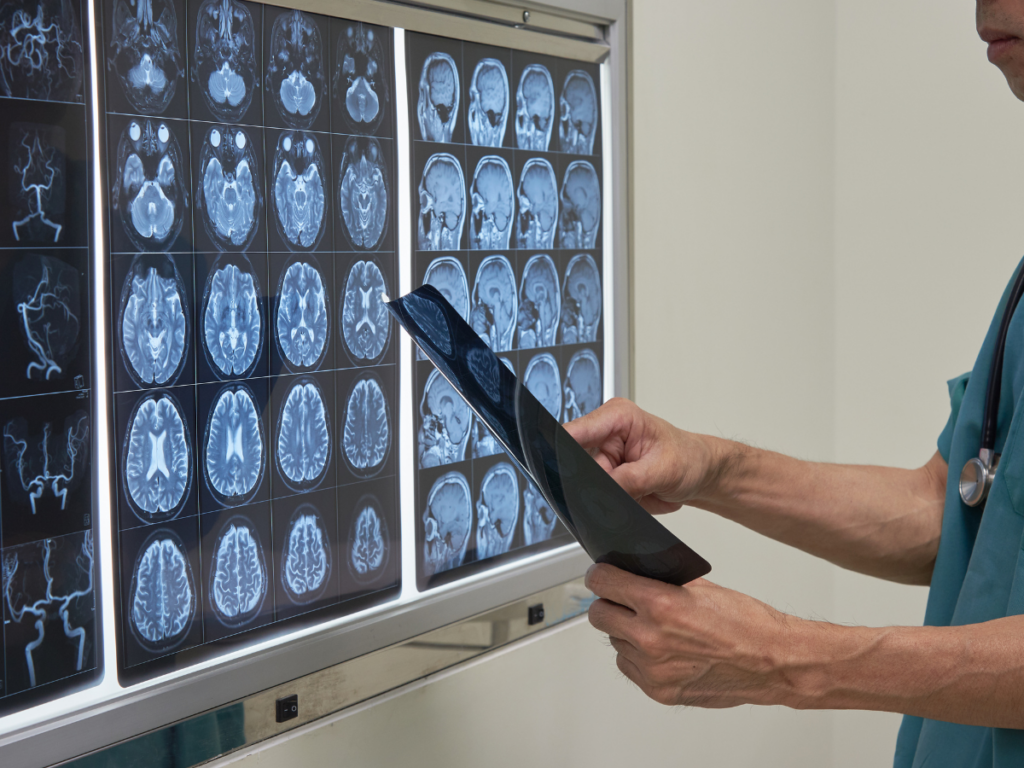
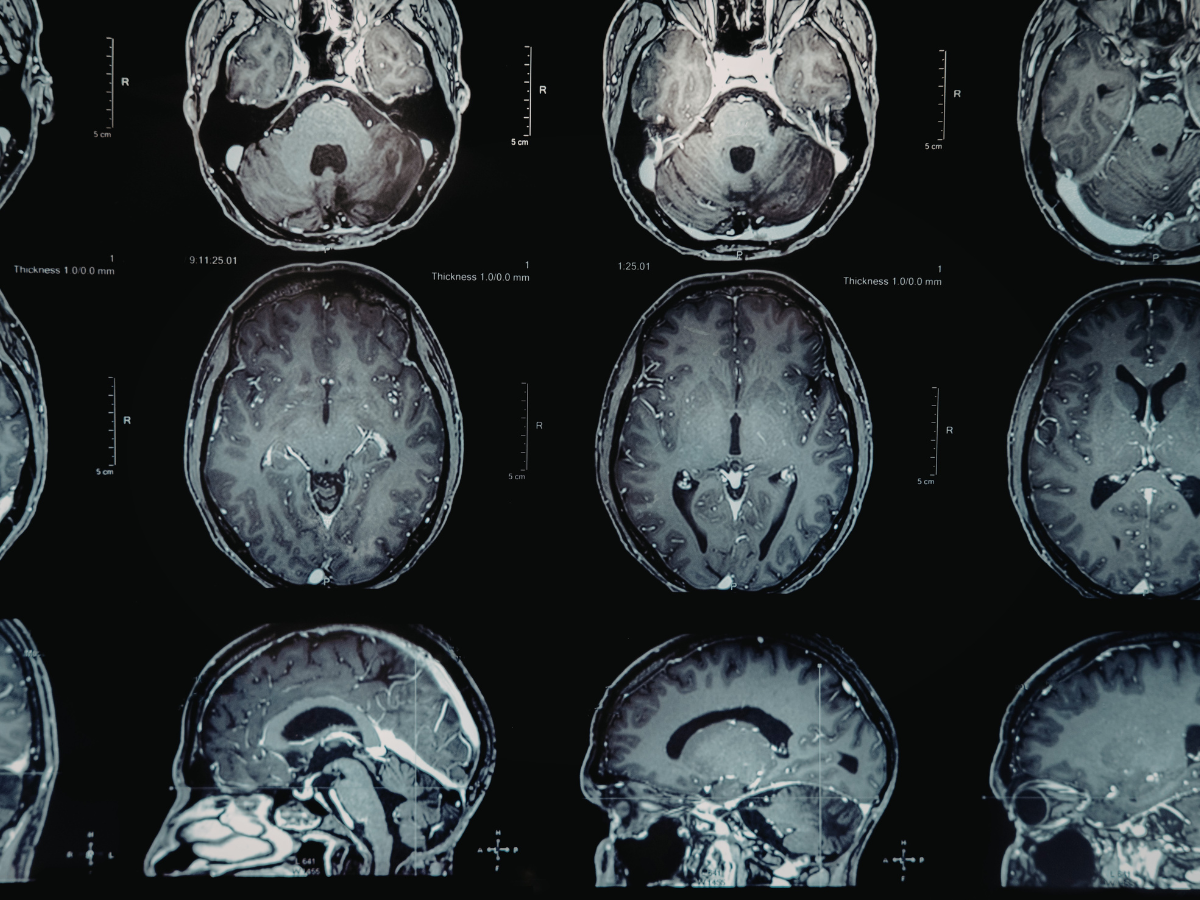
A landmark meta-analysis in Nature Medicine has finally pinpointed how psychedelics reorganize the human brain. By analyzing over 500 brain scans, researchers discovered that substances like LSD and psilocybin “flatten” the brain’s natural hierarchy, sparking a massive surge in cross-talk between sensory and higher-order thinking networks.
In a landmark moment for the field of psychedelic medicine, scientists have finally identified a universal “neural fingerprint” that explains how substances like LSD, psilocybin, DMT, mescaline, and ayahuasca temporarily rewire the human brain.
Published recently in Nature Medicine, this study represents the largest brain-imaging meta-analysis in the history of psychedelic research. By combining 11 datasets from across five countries and analyzing more than 500 brain scans from 267 individuals, researchers have moved the industry away from small-scale observations toward a definitive, large-scale evidence base.
The study’s findings provide a scientific explanation for what many patients and practitioners describe as the “dissolution of the self” or “expanded consciousness.”
According to Dr. Danilo Bzdok of McGill University, a senior author of the study, the human brain typically operates within a strict hierarchy. Psychedelics effectively “flatten” this structure. “All five drugs dissolve the common order,” Bzdok noted. “They flatten the hierarchy and that probably underlies what some people describe as this raw access to one’s own consciousness.”
The most striking hallmark identified in the research is a massive increase in “cross-talk” between brain systems. Under the influence of these compounds, higher-level thinking networks begin communicating intensely with more primitive regions responsible for sensation and vision.
While previous, smaller studies suggested that certain brain networks simply “disintegrated” during a trip, this larger data set clarifies the reality: the brain isn’t just breaking down—it is communicating in a way that is vastly more interconnected and “unleashed” than its normal state. This “excessive cross-talk” is believed to be the engine behind the profound shifts in perspective and sensory experiences reported by clinical trial participants.
For the Association for Prescription Psychedelics, this study is a vital step toward the medical legitimization of these compounds. Dr. Bzdok described the previous state of the field as “building houses on matches,” referring to the reliance on small sample sizes. This new data provides the “solid foundation” required for these substances to eventually be integrated into standard medical practice.
Dr. Emmanuel Stamatakis of the University of Cambridge, a senior co-author, emphasized the responsibility that comes with this growth: “If psychedelic research is to mature responsibly, it needs large-scale, coordinated evidence.”
As we continue to advocate for the safe, regulated, and prescription-based use of psychedelics, this “neural fingerprint” gives clinicians a roadmap. Understanding exactly how these drugs change brain function—specifically in areas linked to habits, learning, and movement—will allow for more targeted treatments for conditions such as treatment-resistant depression and PSTD.
The “shaky ground” of the past is being replaced by rigorous, global data. At the APP, we welcome this discovery as a major milestone in proving that psychedelics are sophisticated tools for neurological reorganization and healing.