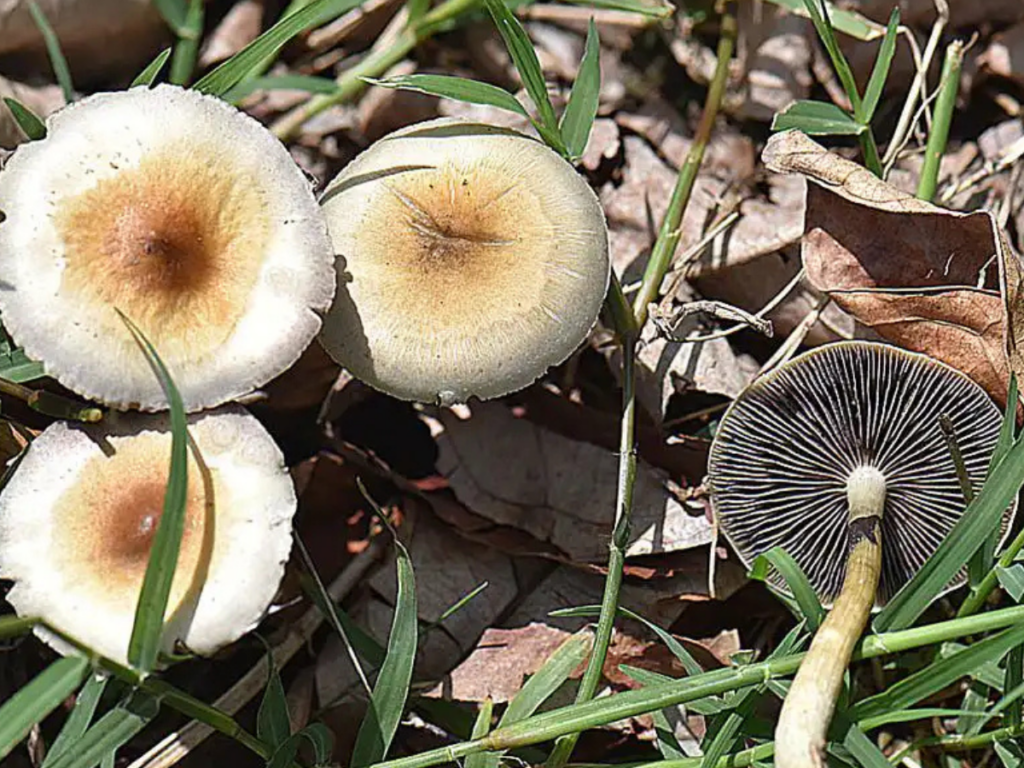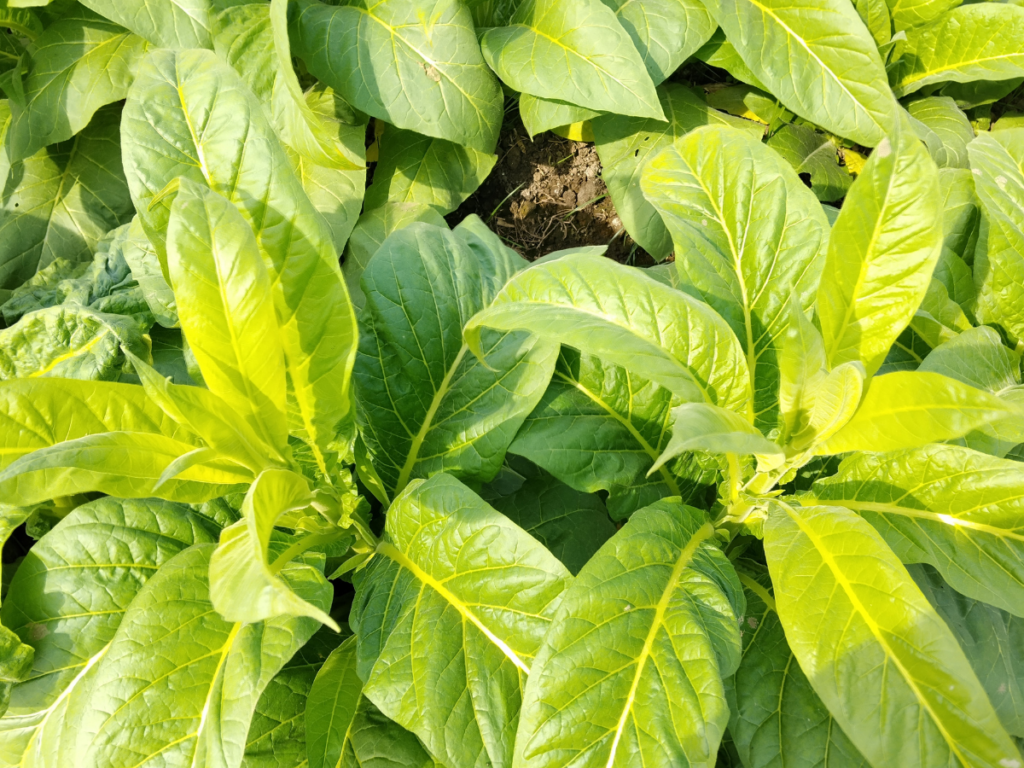
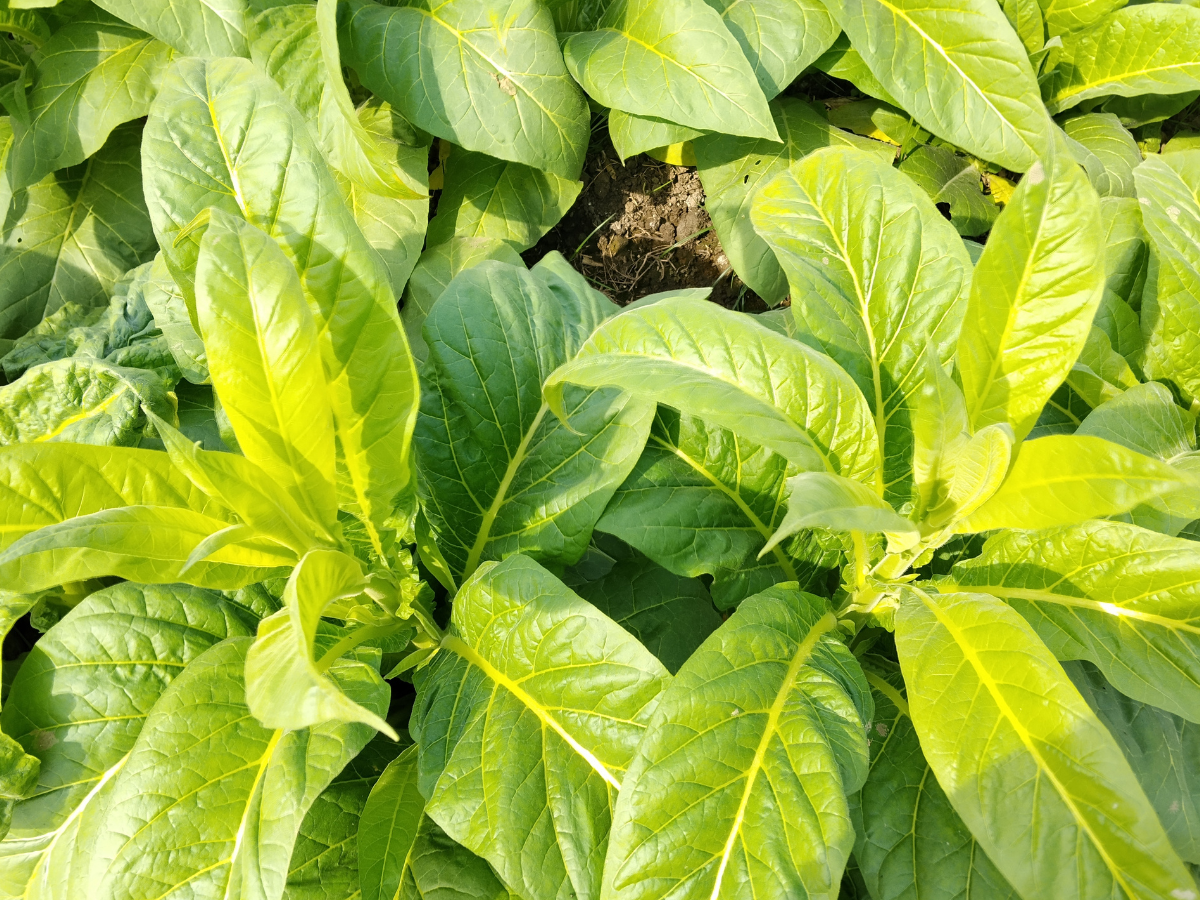
Is plant-based biosynthesis the key to the next generation of PTSD and depression treatments? Explore how scientists are utilizing the natural tryptophan abundance in tobacco to create a versatile manufacturing platform for rare hallucinogenic compounds, marking a massive milestone for the medical psychedelic industry.
April 1, 2026
In a significant breakthrough published in Science, researchers have successfully engineered a relative of the tobacco plant to manufacture a suite of psychedelics, including psilocybin, DMT, bufotenin, and 5-MeO-DMT. Led by Asaph Aharoni of the Weizmann Institute of Science and Paula Berman of the Volcani Center, the team mapped the genetic pathways of traditional hallucinogenic plants to transform tobacco into a sophisticated “bio-factory.” This success was largely due to the tobacco plant’s natural abundance of tryptophan, which serves as a vital starting material for these compounds.
To address initially low yields of 5-methoxy-DMT, the researchers utilized AlphaFold3, an AI software capable of predicting protein structures. This allowed them to identify enzyme underperformance and implement a targeted mutation that increased the compound’s concentration 40-fold.
While the team even managed to produce five different psychedelics simultaneously, some experts suggest that while this novelty is impressive, industrial-scale production may eventually favor microbial fermentation in tanks over whole-plant cultivation.
Regardless of the eventual manufacturing platform, this research marks a critical milestone for the medical psychedelic industry. As the demand for standardized treatments for PTSD, depression, and anxiety grows, establishing sustainable and scalable biosynthesis methods is essential.
This study proves that plant-based production is not only feasible but highly adaptable, offering a new pathway for the creation of pharmaceutical-quality psychedelic medications.
As Aharoni notes, the primary goal was to demonstrate feasibility, leaving the industry to determine the most commercially viable path forward.
Source: Science