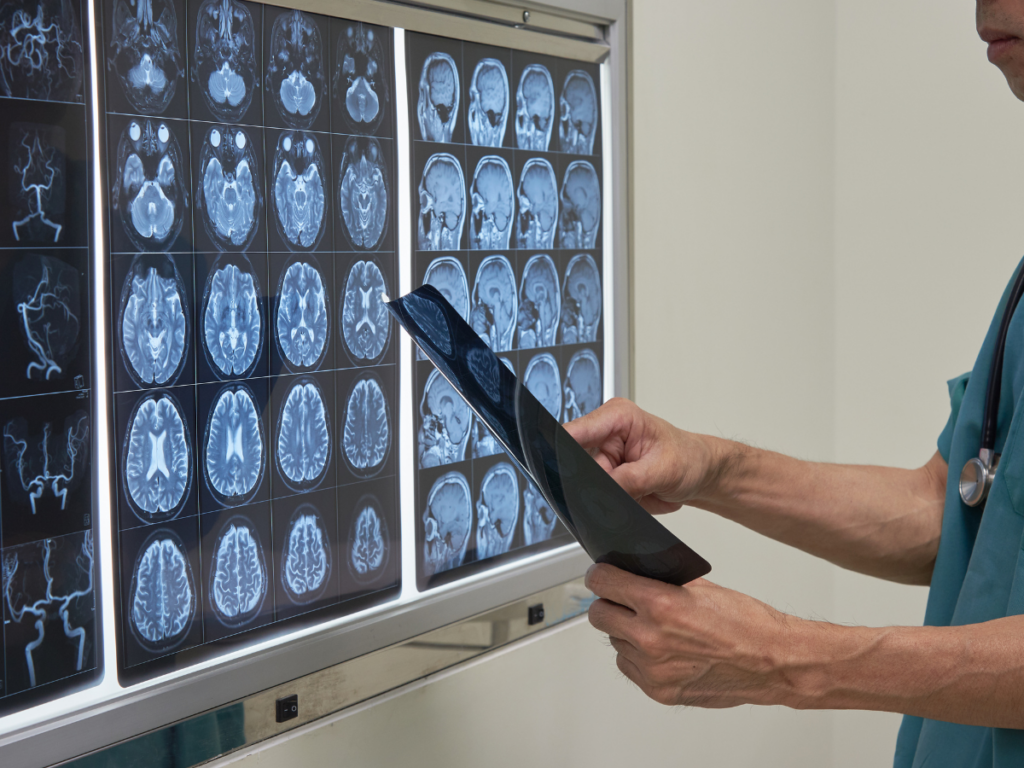

In the evolving landscape of mental healthcare, a critical focus remains on the longevity and rigor of scientific research. It is essential to recognize that the move toward prescription psychedelics is not based on anecdotal evidence, but on a foundation of extensive, peer-reviewed clinical data that has been building for more than a decade.
While new to some, the clinical exploration of psychedelic compounds is well-established. Over the past 10 years, more than 60 clinical trials have been conducted to address treatment-resistant depression, PTSD, addiction, and other serious psychiatric conditions. These trials have provided substantial data regarding the safety profile and lasting impact of these therapies.
Recent findings from world-renowned journals underscore this progress:
- Persistent Effects: Research published in Nature demonstrates that just a single dose of psilocybin can produce rapid and persistent therapeutic effects in human clinical trials.
- Superior Efficacy: A study in The Lancet suggests that psilocybin may be more effective in treating depression than traditional selective serotonin reuptake inhibitor (SSRI) antidepressants.
- PTSD Remission: MDMA-assisted therapy has shown that 67% of patients with PTSD no longer met diagnostic criteria following just three sessions.
The question is no longer whether enough research exists—the data is substantial and compelling. The challenge now lies in navigating the complex regulatory pathways to ensure these life-saving tools reach the patients who need them most.
The Association for Prescription Psychedelics (APP) is actively working to bridge the gap between clinical success and patient access by:
- Advocating for Formal Approval: We are calling for the FDA approval and DEA rescheduling of safe, effective prescription psychedelic medicines to treat a wide range of conditions.
- Streamlining Federal Coordination: We are advocating for concurrent DEA 8-Factor Analysis during the FDA review process to prevent unnecessary delays in patient access.
- Preparing the Healthcare Infrastructure: APP is working to ensure the VA health system is fully prepared for the implementation of these therapies at launch, ensuring our veterans have timely access to care.
- Serving as a Policy Resource: We provide a centralized scientific resource for policymakers, agency leaders, and the media to ensure that federal oversight is informed by the latest clinical evidence.
While we continue to monitor long-term outcomes, we must also weigh the risk of inaction. For decades, the standard of care for mental health has failed to keep pace with a growing national emergency.
- The Innovation Gap: It has been 35 years since the last major innovation in PTSD medication.
- The Human Toll: Every 11 minutes, a fellow American dies by suicide—resulting in 50,000 lost lives annually.
- The Veteran Crisis: On average, 17 to 44 veterans take their own lives every single day.
U.S. policymakers should not delay in addressing these unmet medical needs. The research has provided the foundation; now, the APP is focused on the policy and regulation required to turn that research into a regulated medical reality for the 50 million Americans suffering today.